Blog / Product
The Gap Between Traditional 3D Modelling and AI Generation
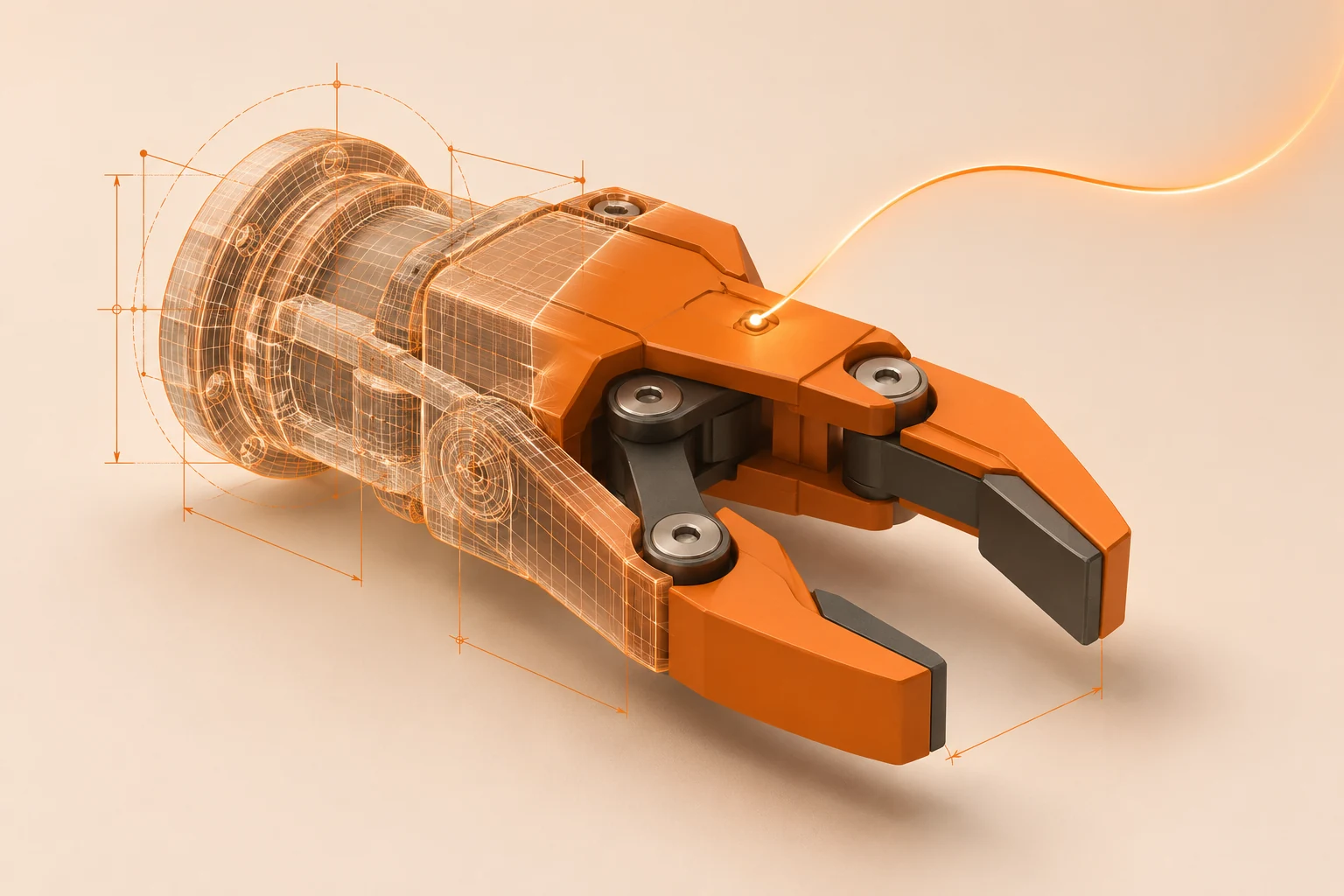
Why we believe AI should work alongside traditional CAD tools, rather than replace them.
There's something about the current state of AI 3D modelling that I find quite interesting. I believe the industry has unintentionally created a situation where people who don't know how to 3D model are limited by the tools available to them, while people who do know how to model have very little AI assistance.
When I first say this, you might instinctively think that's not true. After all, there are countless AI 3D modelling platforms available today. But the more you think about it, the more you'll realise it's actually quite an accurate description of the current landscape.
Let me explain.
Two groups of people, two different problems
Take platforms like Tripo, 3D AI Studio, Meshy and similar tools. They allow you to describe something, generate a 3D model and download the result. For someone who has never used CAD software, this is a huge step forward. You no longer need to spend hours learning how to construct something from scratch.
But there's a problem. What happens when the generated model isn't quite right? What if you want to move something slightly, change a particular component, adjust a dimension or completely redesign one section?
Now you have to export the model from the AI software, open Blender or another 3D modelling application, upload the model and make your changes there. Phew, what a hassle.
Now consider the other side.
Imagine you're an experienced 3D modeler. You know your way around CAD software, you understand how components fit together and you can build complex models yourself. However, there are certain parts of the process that are repetitive, time-consuming or simply things you'd rather have AI handle.
Perhaps you want AI to generate a particular component, help construct a complicated feature or make a series of adjustments to your existing model.
Where do you go?
Most AI 3D generation platforms aren't really designed for this. They're built around generating a complete model from a prompt, rather than assisting you throughout the modelling process. You end up switching between different applications, exporting files and trying to bring everything together.
Neither group is getting the experience they should be able to have.
Why can't we have both?
This is the idea behind Objify.
I don't believe AI 3D modelling and traditional CAD should be treated as two separate things. They should work together.
If you're someone who has never opened a CAD application before, you should be able to describe what you want and have AI help you bring it to life. But you shouldn't be left with a model that you can only look at and download.
Equally, if you're an experienced modeller, you shouldn't have to abandon your existing workflow just to benefit from AI. You should be able to build things yourself, ask AI to help with particular sections and continue working on the same model without constantly moving between applications.
That's why we want Objify to combine conventional 3D modelling tools with AI-powered generation in one workspace.
AI shouldn't mean giving up control
One thing I think gets overlooked in the excitement around AI generation is how much control you actually lose in the process.
A generated model might be 90% of what you wanted, but that remaining 10% can be incredibly difficult to fix if you don't have the right tools available.
Sometimes you don't even need AI to make the change. You just need to be able to select a component, adjust a parameter, measure something or manually edit the geometry.
We want users to have that choice.
AI should be there when you need assistance, not become a requirement for every single operation. There should be nothing stopping you from putting the AI aside and working on your model yourself.
What we're trying to build
At Objify, our goal is to bring these two worlds together.
We're building a workspace where AI generation and conventional CAD tools aren't competing with one another. They're part of the same process.
Whether you want to generate an entire model, create individual components with AI, manually construct something from scratch or combine all three approaches, you should be able to do it without leaving your workspace.
We're still working towards this vision, and there's a lot we want to improve. But we genuinely believe this is where AI-powered CAD needs to go.
The goal isn't to make traditional 3D modelling obsolete, nor is it to make everyone rely on AI. It's to give people the freedom to work however they want, with AI available whenever it can make the process easier.
And ultimately, that's what we think a proper AI-powered CAD application should look like.